
Part 2: Cultivating and Maintaining Spiritual Hunger

In the first part, we explored the essence of hungering and thirsting after righteousness. Now, we will focus on practical ways to cultivate and maintain this spiritual hunger, ensuring that our lives are continually aligned with God’s will and filled with His righteousness.

One of the primary ways to cultivate spiritual hunger is by seeking God with intentionality. Jeremiah 29:13 promises, “And you will seek Me and find Me, when you search for Me with all your heart.” This verse emphasizes that a wholehearted pursuit of God is met with His presence. To seek God intently means to prioritize our relationship with Him above all else, dedicating time and effort to connect with Him through prayer, worship, and reading God’s Word.

Hunger for righteousness calls us to a place of intimacy with God. It is about answering His knock and inviting Him into the deepest parts of our lives. This intimacy requires us to be still, to listen, and to rest in His presence. Often, we are too busy moving and doing, but true intimacy with God happens in moments of stillness and quiet reflection.

God reveals Himself through His Word, and a hunger for righteousness will naturally lead us to scripture. In God’s Word, we find fresh revelations about His character, His promises, and His plans for our lives. Regular, intentional study of the Bible helps us understand what it means to be righteous and equips us to live in accordance with God’s will.

The Holy Spirit plays a crucial role in drawing us closer to God and awakening our spiritual hunger. When we feel spiritually weak, it is an invitation to rely on the Holy Spirit for strength and guidance. The Holy Spirit helps us recognize our need for God and leads us into deeper communion with Him.

As we grow in our hunger for righteousness, we begin to find joy and satisfaction in God alone. The comforts and distractions of the world lose their appeal as we realize that true fulfillment comes from a relationship with God. This shift in perspective helps us stay focused on what truly matters and prevents us from being swayed by temporary pleasures.

Hungering for righteousness is not just about an internal longing but also about living out God’s righteousness in our daily lives. This involves embodying the values and principles of God’s kingdom, such as justice, mercy, and love. When we actively seek to live righteously, we reflect God’s character to the world and fulfill our calling as His representatives.

Persistent prayer is essential for maintaining spiritual hunger. Through prayer, we communicate with God, express our needs and desires, and seek His guidance. Persistent prayer helps us stay connected to God and reinforces our dependence on Him for everything we need.

Hungering and thirsting after righteousness is a transformative journey that requires intentionality, intimacy, and reliance on God. By seeking God with all our hearts, embracing intimacy with Him, nourishing ourselves with His Word, relying on the Holy Spirit, finding joy in God alone, living out His righteousness, and staying persistent in prayer, we can cultivate and maintain a deep, enduring hunger for God. This spiritual hunger ensures that our lives are continually filled with God’s righteousness, enabling us to experience the fullness of His blessings and grace.

Blessings,

Pastor Q
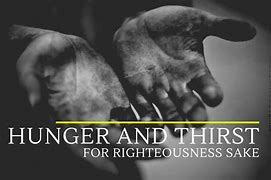
Hungering and Thirsting After Righteousness – Understanding the Call

In the Beatitudes found in Matthew 5:6, Jesus proclaims, “Blessed are those who hunger and thirst for righteousness, for they shall be filled.” This statement forms a cornerstone of Christian living, urging believers to seek righteousness as an essential part of their spiritual journey. In this two-part blog, we will dive into what it means to hunger and thirst after righteousness and explore the transformative power this pursuit holds for our lives.

Hungering and thirsting for righteousness is more than a fleeting desire; it is a profound, enduring longing for a deeper relationship with God. This spiritual hunger is not akin to the physical sensation of missing a meal after a long day of work. Instead, it reflects an intense need for a relationship with Jehovah Shalom, the God of our peace, Jehovah Jireh, our provider, and Jehovah Tsuri, our rock. It signifies a yearning for God that transcends our daily routines and material pursuits.

According to Martin Lloyd, this beatitude follows logically from the previous ones, serving as a culmination of the teachings that precede it. The earlier beatitudes mentioned, being poor in spirit, mourning, and being meek prepare the believer’s heart to develop a genuine thirst for righteousness. This progression highlights that to truly receive and understand all that God has for us, we must first hunger and thirst for righteousness.

To be righteous means to be in right standing with God, reflecting His image and receiving the fullness of His grace. It involves understanding and accepting that through Jesus’s atonement on the cross, we are justified and made righteous in God’s eyes. This righteousness is not about human efforts but about recognizing and embracing the sacrifice Jesus made for us.

Jesus’s statement provides both affirmation and promise: The Affirmation is – those who hunger and thirst for righteousness are blessed, and the promise is – they shall be filled. This assurance underscores the depth of spiritual hunger, calling us to seek God earnestly. Unlike the temporary satisfaction of physical hunger, spiritual hunger leads us to a fulfilling and eternal relationship with God.

Many times, we seek to fill our spiritual hunger with worldly pursuits such as financial success, relationships, and meeting the expectations of others only to find ourselves still wanting. True satisfaction, however, comes only from God. Our relationships, ambitions, and comforts are transitory and most are dependent upon the season we are in and the needs we have but the righteousness of God sustains us through all of life’s adversities. Far too often we seek are seeking to be filled as we eat at the wrong tables and drink from the wrong fountains, only to end up malnourished and spiritually weakened. Only a genuine relationship with God can truly nourish and fill us.

How do you know if you are truly hungering for God? Here are seven signs:

1. We are discontent with the life we are living: A profound sense of discontent with the status quo and a feeling that something is missing in your relationship with God.

2. We are inspired by a past experience: A longing for past spiritual experiences and a desire to recapture that closeness with God.

3. Spiritual Frailty: An acute awareness of your spiritual depletion and a desperate need for God’s strength.

4. Loss of Passion: Recognizing a decline in your love and zeal for God, similar to the church of Laodicea, which became lukewarm.

5. Diminished Appetite for Worldly Comforts: Losing interest in things that once brought you comfort, realizing that true comfort is found in God.

6. Being Out of Your Comfort Zone: Feeling unsettled as God draws you closer to Him, challenging you to seek Him with all your heart.

7. Turning to God’s Word: An intense desire to journey into scripture, seeking fresh revelations and understanding of God’s will and promises for your life.

Hungering and thirsting for righteousness is an active pursuit that transforms our lives. It is a journey that begins with a profound longing for God and culminates in the promise of being filled. In the next part of this blog, we will explore how to cultivate and maintain this hunger for righteousness, ensuring that our spiritual lives are continually nourished and thriving.

Stay Encouraged,

Pastor Q

Embracing the Spirit of a Fighter (Spiritual Warfare) Part 1

Recognizing the Enemy and the Nature of the Battle 

Christians are in a perpetual state of spiritual conflict, fighting against principalities, rulers of darkness, and spiritual wickedness in high places as outlined in Ephesians 6:12. The battle is against Satan, who relentlessly attempts to twist hearts away from obedience and faithfulness to God. The enemy we are up against desires nothing more than to separate us from anything that is God and anything that is good. Therefore, there is a bounty on the head of a believer for hell to sever anything that connects us to God’s plan, will and purpose on our lives.  Christians must understand that their struggle is not against flesh and blood but against spiritual forces.  Jesus’ statement in Matthew 10:34 that “He came not to bring peace, but a sword” signifies the necessity of His followers to be equipped for spiritual warfare. We must recognize this reality, remaining vigilant and armed for battle, acknowledging the spiritual dimension from which they fight and the critical need for divine strength and guidance. 

Forgiveness and Unity in the Kingdom 

One of the significant hindrances within the Kingdom is internal conflict among believers. The scripture teaches that a divided kingdom cannot stand, emphasizing the importance of unity and forgiveness among God’s people. Before confronting external enemies, Christians must first forgive one another to prevent internal strife and betrayal. Unity and forgiveness are essential traits of a true fighter in the spiritual realm. In this age of social media it seems many people who call themselves defending the faith only ignorantly divide the church through targeting specific people within the kingdom.  Imperfections of character, theology and beliefs are disputed on platforms that were never created for the purpose of strengthening the church. Flawed pastors are labeled fake pastors and Pastor’s who fall into sin are labeled as the wolves in sheep clothing. We have weakened the Kingdom of God by declaring civil war against God’s people disregarding the greater war that is active against the principalities and spiritual wickedness that is at work to destroy God’s people.  

Humility and Dependence on God 

We must not be passive regarding spiritual conflict, and we must understand we have a grave reliance on the power of God. A true fighter acknowledges that their strength comes not from themselves but from God. As 1 Corinthians 15:58 instructs, believers must be steadfast and unmovable, firmly fixed in their position in Christ. This steadfastness is rooted in the understanding that victory is not based on personal strength but on God’s invincible power. The humility to recognize one’s weakness and depend on God for strength is crucial. Like the great men and women of faith mentioned in Hebrews 11, believers must submit to God’s authority, embrace brokenness as a learning process, and remain obedient to His will. True spiritual fighters develop a mindset willing to fight because they know that God, who is their strength, is invincible. Our victory is not based on what we are able to accomplish within ourselves but because we have grasped the undeniable truth Greater is He that is in us,  The One True Living God, The Mighty God, He is greater than the one who is in the world.  

Remain Steadfast,  

Pastor Q