The Embrace of Everlasting Life

John 3:15-16 is one of the most quoted passages in the Bible, often pointing us toward the afterlife—the promise of eternal life with God in heaven. But what if the concept of everlasting life is just as relevant to the here and now?

We often focus on everlasting life as a future reality, something we attain after death. Yet, Jesus came not only to secure our eternity but to transform our present. Everlasting life is not merely about the length of life; it’s about the quality and depth of life. It’s the richness of living in God’s presence today, allowing His will to manifest “on earth as it is in heaven.”

The Meaning of Everlasting Life

In the Greco-Roman world, eternity was often linked with the divine and the afterlife. Jewish tradition, reflected in the Old Testament, emphasized God’s eternal nature and His covenant promises. The New Testament writers blended these perspectives, using the term aiónios to describe the supernatural life God grants to believers—a life that begins now and stretches into eternity.

Everlasting life isn’t just a future promise; it’s a present possession. John 3:16 doesn’t say we will have everlasting life but that we have it. This reality shifts our perspective. It’s about living deeply, beyond the surface of our existence, into the very core of our being—our soul.

Life Beyond the Surface

We live in a world obsessed with appearances. Social media and daily interactions often reflect a shallow version of ourselves—the smiles we show, the successes we share. Beneath the surface, however, may lie pain, loneliness, and struggles.

Our souls crave something more. Material things, achievements, and even relationships can’t satisfy this longing. As Jesus tells us in John 4:14, only the living water He provides—the water that springs up into everlasting life—can quench the thirst of our souls.

Everlasting life invites us to confront our deepest issues, break through the walls we’ve built, and allow God’s transformative grace to shape us.

The Present Reality of Everlasting Life

Jesus came so that our souls could truly live. Everlasting life isn’t just about going to heaven; it’s about God dwelling with us here and now. When we believe into Him, as the original language implies, we enter a relationship where His life flows through us, illuminating our hearts and transforming our actions.

Scripture emphasizes this truth:

  • John 5:24 tells us we’ve already “passed from death unto life.”
  • John 6:27 urges us to labor for what endures unto everlasting life.
  • John 6:47 reminds us that belief in Jesus means we have everlasting life.

Living in this reality means embracing God’s purpose for us, digging deep into who He created us to be, and allowing His light to illuminate every part of our lives.

Everlasting Life Transforms Us

God sent everlasting life to:

  • Recover the fallen human spirit.
  • Restore hope in a broken world.
  • Reconcile us to the Father.
  • Reveal the depth and meaning of our existence.

This life empowers us to move past surface-level living and tap into the depths of our soul, where God’s grace works to transform us for His glory.

Will You Live Deeply?

Living in everlasting life challenges us to confront our fears, forgive, and embrace our God-given destiny. It’s about more than existing; it’s about fulfilling the dreams God has placed within us and living in the fullness of His purpose.

Don’t let the fear of dying with unfulfilled dreams hold you back. Choose to live deeply, allowing God’s everlasting life to guide you into the destiny He has designed.

Will you let Him work in the depths of your life today?

Part 2: Cultivating and Maintaining Spiritual Hunger

In the first part, we explored the essence of hungering and thirsting after righteousness. Now, we will focus on practical ways to cultivate and maintain this spiritual hunger, ensuring that our lives are continually aligned with God’s will and filled with His righteousness.

One of the primary ways to cultivate spiritual hunger is by seeking God with intentionality. Jeremiah 29:13 promises, “And you will seek Me and find Me, when you search for Me with all your heart.” This verse emphasizes that a wholehearted pursuit of God is met with His presence. To seek God intently means to prioritize our relationship with Him above all else, dedicating time and effort to connect with Him through prayer, worship, and reading God’s Word.

Hunger for righteousness calls us to a place of intimacy with God. It is about answering His knock and inviting Him into the deepest parts of our lives. This intimacy requires us to be still, to listen, and to rest in His presence. Often, we are too busy moving and doing, but true intimacy with God happens in moments of stillness and quiet reflection.

God reveals Himself through His Word, and a hunger for righteousness will naturally lead us to scripture. In God’s Word, we find fresh revelations about His character, His promises, and His plans for our lives. Regular, intentional study of the Bible helps us understand what it means to be righteous and equips us to live in accordance with God’s will.

The Holy Spirit plays a crucial role in drawing us closer to God and awakening our spiritual hunger. When we feel spiritually weak, it is an invitation to rely on the Holy Spirit for strength and guidance. The Holy Spirit helps us recognize our need for God and leads us into deeper communion with Him.

As we grow in our hunger for righteousness, we begin to find joy and satisfaction in God alone. The comforts and distractions of the world lose their appeal as we realize that true fulfillment comes from a relationship with God. This shift in perspective helps us stay focused on what truly matters and prevents us from being swayed by temporary pleasures.

Hungering for righteousness is not just about an internal longing but also about living out God’s righteousness in our daily lives. This involves embodying the values and principles of God’s kingdom, such as justice, mercy, and love. When we actively seek to live righteously, we reflect God’s character to the world and fulfill our calling as His representatives.

Persistent prayer is essential for maintaining spiritual hunger. Through prayer, we communicate with God, express our needs and desires, and seek His guidance. Persistent prayer helps us stay connected to God and reinforces our dependence on Him for everything we need.

Hungering and thirsting after righteousness is a transformative journey that requires intentionality, intimacy, and reliance on God. By seeking God with all our hearts, embracing intimacy with Him, nourishing ourselves with His Word, relying on the Holy Spirit, finding joy in God alone, living out His righteousness, and staying persistent in prayer, we can cultivate and maintain a deep, enduring hunger for God. This spiritual hunger ensures that our lives are continually filled with God’s righteousness, enabling us to experience the fullness of His blessings and grace.

Blessings,

Pastor Q

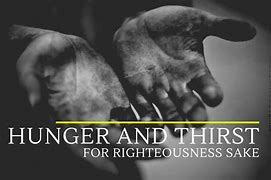
Hungering and Thirsting After Righteousness – Understanding the Call

In the Beatitudes found in Matthew 5:6, Jesus proclaims, “Blessed are those who hunger and thirst for righteousness, for they shall be filled.” This statement forms a cornerstone of Christian living, urging believers to seek righteousness as an essential part of their spiritual journey. In this two-part blog, we will dive into what it means to hunger and thirst after righteousness and explore the transformative power this pursuit holds for our lives.

Hungering and thirsting for righteousness is more than a fleeting desire; it is a profound, enduring longing for a deeper relationship with God. This spiritual hunger is not akin to the physical sensation of missing a meal after a long day of work. Instead, it reflects an intense need for a relationship with Jehovah Shalom, the God of our peace, Jehovah Jireh, our provider, and Jehovah Tsuri, our rock. It signifies a yearning for God that transcends our daily routines and material pursuits.

According to Martin Lloyd, this beatitude follows logically from the previous ones, serving as a culmination of the teachings that precede it. The earlier beatitudes mentioned, being poor in spirit, mourning, and being meek prepare the believer’s heart to develop a genuine thirst for righteousness. This progression highlights that to truly receive and understand all that God has for us, we must first hunger and thirst for righteousness.

To be righteous means to be in right standing with God, reflecting His image and receiving the fullness of His grace. It involves understanding and accepting that through Jesus’s atonement on the cross, we are justified and made righteous in God’s eyes. This righteousness is not about human efforts but about recognizing and embracing the sacrifice Jesus made for us.

Jesus’s statement provides both affirmation and promise: The Affirmation is – those who hunger and thirst for righteousness are blessed, and the promise is – they shall be filled. This assurance underscores the depth of spiritual hunger, calling us to seek God earnestly. Unlike the temporary satisfaction of physical hunger, spiritual hunger leads us to a fulfilling and eternal relationship with God.

Many times, we seek to fill our spiritual hunger with worldly pursuits such as financial success, relationships, and meeting the expectations of others only to find ourselves still wanting. True satisfaction, however, comes only from God. Our relationships, ambitions, and comforts are transitory and most are dependent upon the season we are in and the needs we have but the righteousness of God sustains us through all of life’s adversities. Far too often we seek are seeking to be filled as we eat at the wrong tables and drink from the wrong fountains, only to end up malnourished and spiritually weakened. Only a genuine relationship with God can truly nourish and fill us.

How do you know if you are truly hungering for God? Here are seven signs:

1. We are discontent with the life we are living: A profound sense of discontent with the status quo and a feeling that something is missing in your relationship with God.

2. We are inspired by a past experience: A longing for past spiritual experiences and a desire to recapture that closeness with God.

3. Spiritual Frailty: An acute awareness of your spiritual depletion and a desperate need for God’s strength.

4. Loss of Passion: Recognizing a decline in your love and zeal for God, similar to the church of Laodicea, which became lukewarm.

5. Diminished Appetite for Worldly Comforts: Losing interest in things that once brought you comfort, realizing that true comfort is found in God.

6. Being Out of Your Comfort Zone: Feeling unsettled as God draws you closer to Him, challenging you to seek Him with all your heart.

7. Turning to God’s Word: An intense desire to journey into scripture, seeking fresh revelations and understanding of God’s will and promises for your life.

Hungering and thirsting for righteousness is an active pursuit that transforms our lives. It is a journey that begins with a profound longing for God and culminates in the promise of being filled. In the next part of this blog, we will explore how to cultivate and maintain this hunger for righteousness, ensuring that our spiritual lives are continually nourished and thriving.

Stay Encouraged,

Pastor Q