Why We Call Jesus Lord (and What That Means for Your Money)

The Foundation of Stewardship — Jesus Is Lord

Key Scripture: Romans 14:7–12

Introduction:
When we say, “Jesus is Lord,” it’s more than a spiritual phrase—it’s a financial foundation. If we belong to Him, so does everything we have. But many believers live with a divided mindset: God gets Sundays, but we manage our wallets.

A Kingdom Financial Shift:
Paul’s reminder in Romans 14 is powerful:

“For whether we live or die, we are the Lord’s.” (v.8)

If we are the Lord’s, our bank accounts, jobs, homes, and budgets are His too. Biblical stewardship begins with understanding that we are managers, not owners.

Lordship = Ownership:

  • We don’t ask, “God, what should I do with my money?”
  • We ask, “Lord, what should I do with Your money You’ve entrusted to me?”

That shift changes how we budget, how we spend, how we save—and how we give.

Takeaway for Today:
Proper stewardship starts with surrender. You can’t live like an owner and expect to thrive like a steward.

Ask Yourself:
Have I truly surrendered my financial decisions to the Lordship of Jesus? Or am I still running my money my way?

Pastor Q

The Embrace of Everlasting Life

John 3:15-16 is one of the most quoted passages in the Bible, often pointing us toward the afterlife—the promise of eternal life with God in heaven. But what if the concept of everlasting life is just as relevant to the here and now?

We often focus on everlasting life as a future reality, something we attain after death. Yet, Jesus came not only to secure our eternity but to transform our present. Everlasting life is not merely about the length of life; it’s about the quality and depth of life. It’s the richness of living in God’s presence today, allowing His will to manifest “on earth as it is in heaven.”

The Meaning of Everlasting Life

In the Greco-Roman world, eternity was often linked with the divine and the afterlife. Jewish tradition, reflected in the Old Testament, emphasized God’s eternal nature and His covenant promises. The New Testament writers blended these perspectives, using the term aiónios to describe the supernatural life God grants to believers—a life that begins now and stretches into eternity.

Everlasting life isn’t just a future promise; it’s a present possession. John 3:16 doesn’t say we will have everlasting life but that we have it. This reality shifts our perspective. It’s about living deeply, beyond the surface of our existence, into the very core of our being—our soul.

Life Beyond the Surface

We live in a world obsessed with appearances. Social media and daily interactions often reflect a shallow version of ourselves—the smiles we show, the successes we share. Beneath the surface, however, may lie pain, loneliness, and struggles.

Our souls crave something more. Material things, achievements, and even relationships can’t satisfy this longing. As Jesus tells us in John 4:14, only the living water He provides—the water that springs up into everlasting life—can quench the thirst of our souls.

Everlasting life invites us to confront our deepest issues, break through the walls we’ve built, and allow God’s transformative grace to shape us.

The Present Reality of Everlasting Life

Jesus came so that our souls could truly live. Everlasting life isn’t just about going to heaven; it’s about God dwelling with us here and now. When we believe into Him, as the original language implies, we enter a relationship where His life flows through us, illuminating our hearts and transforming our actions.

Scripture emphasizes this truth:

  • John 5:24 tells us we’ve already “passed from death unto life.”
  • John 6:27 urges us to labor for what endures unto everlasting life.
  • John 6:47 reminds us that belief in Jesus means we have everlasting life.

Living in this reality means embracing God’s purpose for us, digging deep into who He created us to be, and allowing His light to illuminate every part of our lives.

Everlasting Life Transforms Us

God sent everlasting life to:

  • Recover the fallen human spirit.
  • Restore hope in a broken world.
  • Reconcile us to the Father.
  • Reveal the depth and meaning of our existence.

This life empowers us to move past surface-level living and tap into the depths of our soul, where God’s grace works to transform us for His glory.

Will You Live Deeply?

Living in everlasting life challenges us to confront our fears, forgive, and embrace our God-given destiny. It’s about more than existing; it’s about fulfilling the dreams God has placed within us and living in the fullness of His purpose.

Don’t let the fear of dying with unfulfilled dreams hold you back. Choose to live deeply, allowing God’s everlasting life to guide you into the destiny He has designed.

Will you let Him work in the depths of your life today?

Part 2: Cultivating and Maintaining Spiritual Hunger

In the first part, we explored the essence of hungering and thirsting after righteousness. Now, we will focus on practical ways to cultivate and maintain this spiritual hunger, ensuring that our lives are continually aligned with God’s will and filled with His righteousness.

One of the primary ways to cultivate spiritual hunger is by seeking God with intentionality. Jeremiah 29:13 promises, “And you will seek Me and find Me, when you search for Me with all your heart.” This verse emphasizes that a wholehearted pursuit of God is met with His presence. To seek God intently means to prioritize our relationship with Him above all else, dedicating time and effort to connect with Him through prayer, worship, and reading God’s Word.

Hunger for righteousness calls us to a place of intimacy with God. It is about answering His knock and inviting Him into the deepest parts of our lives. This intimacy requires us to be still, to listen, and to rest in His presence. Often, we are too busy moving and doing, but true intimacy with God happens in moments of stillness and quiet reflection.

God reveals Himself through His Word, and a hunger for righteousness will naturally lead us to scripture. In God’s Word, we find fresh revelations about His character, His promises, and His plans for our lives. Regular, intentional study of the Bible helps us understand what it means to be righteous and equips us to live in accordance with God’s will.

The Holy Spirit plays a crucial role in drawing us closer to God and awakening our spiritual hunger. When we feel spiritually weak, it is an invitation to rely on the Holy Spirit for strength and guidance. The Holy Spirit helps us recognize our need for God and leads us into deeper communion with Him.

As we grow in our hunger for righteousness, we begin to find joy and satisfaction in God alone. The comforts and distractions of the world lose their appeal as we realize that true fulfillment comes from a relationship with God. This shift in perspective helps us stay focused on what truly matters and prevents us from being swayed by temporary pleasures.

Hungering for righteousness is not just about an internal longing but also about living out God’s righteousness in our daily lives. This involves embodying the values and principles of God’s kingdom, such as justice, mercy, and love. When we actively seek to live righteously, we reflect God’s character to the world and fulfill our calling as His representatives.

Persistent prayer is essential for maintaining spiritual hunger. Through prayer, we communicate with God, express our needs and desires, and seek His guidance. Persistent prayer helps us stay connected to God and reinforces our dependence on Him for everything we need.

Hungering and thirsting after righteousness is a transformative journey that requires intentionality, intimacy, and reliance on God. By seeking God with all our hearts, embracing intimacy with Him, nourishing ourselves with His Word, relying on the Holy Spirit, finding joy in God alone, living out His righteousness, and staying persistent in prayer, we can cultivate and maintain a deep, enduring hunger for God. This spiritual hunger ensures that our lives are continually filled with God’s righteousness, enabling us to experience the fullness of His blessings and grace.

Blessings,

Pastor Q

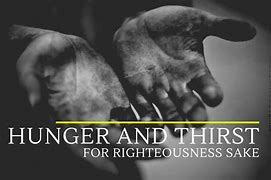
Hungering and Thirsting After Righteousness – Understanding the Call

In the Beatitudes found in Matthew 5:6, Jesus proclaims, “Blessed are those who hunger and thirst for righteousness, for they shall be filled.” This statement forms a cornerstone of Christian living, urging believers to seek righteousness as an essential part of their spiritual journey. In this two-part blog, we will dive into what it means to hunger and thirst after righteousness and explore the transformative power this pursuit holds for our lives.

Hungering and thirsting for righteousness is more than a fleeting desire; it is a profound, enduring longing for a deeper relationship with God. This spiritual hunger is not akin to the physical sensation of missing a meal after a long day of work. Instead, it reflects an intense need for a relationship with Jehovah Shalom, the God of our peace, Jehovah Jireh, our provider, and Jehovah Tsuri, our rock. It signifies a yearning for God that transcends our daily routines and material pursuits.

According to Martin Lloyd, this beatitude follows logically from the previous ones, serving as a culmination of the teachings that precede it. The earlier beatitudes mentioned, being poor in spirit, mourning, and being meek prepare the believer’s heart to develop a genuine thirst for righteousness. This progression highlights that to truly receive and understand all that God has for us, we must first hunger and thirst for righteousness.

To be righteous means to be in right standing with God, reflecting His image and receiving the fullness of His grace. It involves understanding and accepting that through Jesus’s atonement on the cross, we are justified and made righteous in God’s eyes. This righteousness is not about human efforts but about recognizing and embracing the sacrifice Jesus made for us.

Jesus’s statement provides both affirmation and promise: The Affirmation is – those who hunger and thirst for righteousness are blessed, and the promise is – they shall be filled. This assurance underscores the depth of spiritual hunger, calling us to seek God earnestly. Unlike the temporary satisfaction of physical hunger, spiritual hunger leads us to a fulfilling and eternal relationship with God.

Many times, we seek to fill our spiritual hunger with worldly pursuits such as financial success, relationships, and meeting the expectations of others only to find ourselves still wanting. True satisfaction, however, comes only from God. Our relationships, ambitions, and comforts are transitory and most are dependent upon the season we are in and the needs we have but the righteousness of God sustains us through all of life’s adversities. Far too often we seek are seeking to be filled as we eat at the wrong tables and drink from the wrong fountains, only to end up malnourished and spiritually weakened. Only a genuine relationship with God can truly nourish and fill us.

How do you know if you are truly hungering for God? Here are seven signs:

1. We are discontent with the life we are living: A profound sense of discontent with the status quo and a feeling that something is missing in your relationship with God.

2. We are inspired by a past experience: A longing for past spiritual experiences and a desire to recapture that closeness with God.

3. Spiritual Frailty: An acute awareness of your spiritual depletion and a desperate need for God’s strength.

4. Loss of Passion: Recognizing a decline in your love and zeal for God, similar to the church of Laodicea, which became lukewarm.

5. Diminished Appetite for Worldly Comforts: Losing interest in things that once brought you comfort, realizing that true comfort is found in God.

6. Being Out of Your Comfort Zone: Feeling unsettled as God draws you closer to Him, challenging you to seek Him with all your heart.

7. Turning to God’s Word: An intense desire to journey into scripture, seeking fresh revelations and understanding of God’s will and promises for your life.

Hungering and thirsting for righteousness is an active pursuit that transforms our lives. It is a journey that begins with a profound longing for God and culminates in the promise of being filled. In the next part of this blog, we will explore how to cultivate and maintain this hunger for righteousness, ensuring that our spiritual lives are continually nourished and thriving.

Stay Encouraged,

Pastor Q

Part 2: The Power of Prayer and the Redemption of Imperfection

As we continue our exploration of the intricacies of heroism and redemption, we find ourselves drawn deeper into the narrative of Peter and his spiritual journey alongside Jesus. In the face of impending trials and tribulations, Peter grapples with doubt, fear, and the inexorable pull of his own imperfections.

In a moment of prophetic clarity, Jesus forewarns Peter of the trials that lie ahead, recognizing the enemy’s fervent desire to sow seeds of doubt and discord. Yet, amidst the looming shadows of despair, Jesus offers a beacon of hope: the power of prayer. He assures Peter that, despite his inevitable stumbles, his faith will not falter, buoyed by the unwavering strength of divine intercession.

This pivotal moment underscores the transformative potency of prayer, not as a means to alter external circumstances, but as a source of inner fortitude and resilience. Jesus himself exemplifies this truth as he grapples with the weight of his impending ordeal in the Garden of Gethsemane. Despite the crushing burden of sorrow and anguish, he finds solace in communion with the divine, his fervent prayers serving as a lifeline amidst the tempest of his emotions.

In the face of exhaustion, doubt, and despair, Jesus’s steadfast commitment to prayer serves as a testament to the indomitable power of faith. His example implores us to persevere in prayer, even when the darkness threatens to overwhelm us, for it is in our moments of greatest vulnerability that we find the strength to endure.

Yet, amidst the chaos and turmoil, Peter succumbs to the frailty of his humanity, succumbing to fear and doubt. In a moment of impulsive recklessness, he lashes out, severing the ear of an adversary. It is a stark reminder of the fragility of our resolve, the inherent imperfections that define our humanity.

However, even in the depths of his despair, Peter finds redemption. Despite his denials and betrayals, Jesus extends a hand of forgiveness and reconciliation, entrusting Peter with a sacred duty: to shepherd his flock. In this act of grace, we find solace and hope, a testament to the boundless depths of our Lord’s love and mercy.

In conclusion, the journey of Peter serves as a poignant reminder of the complexities of faith, doubt, and redemption. Through the crucible of adversity, we confront the darkest recesses of our souls, grappling with our inner monsters and imperfections. Yet, it is in the embrace of divine grace and the power of prayer that we find the strength to rise anew, transformed by the crucible of our experiences.

Blessings,

Pastor Q

Nurturing Friendship in Marriage

In the sacred journey of marriage, Franz Schubert’s words resonate deeply: “Happy is the man who finds a true friend, and far happier is he who finds that true friend in his wife.” Yet, the transition from courtship to matrimony presents a unique challenge, where the roles of husband-and-wife fuse into a complex relationship. To be frank, there has been times as husband I can understand why people have changed their social media status to “it’s complicated.”   While many couples start as best friends, it’s intriguing how this friendship often fades post-commitment. However, friendship isn’t just a pleasant addition to marriage; it’s a vital ingredient for growth, vitality, and intimacy.

Cultivating friendship is a key to growth for each person individually as well as a unit. Friendship within marriage is intentional—it’s about making choices that reflect genuine care and support. It’s about being there for each other, even in moments of hurt or disappointment. This friendship becomes a source of strength, enabling spouses to overlook weaknesses and forgive in times of strife. As individuals evolve, friendship provides a platform for continuous growth and understanding, ensuring couples grow together rather than apart.

A sense of vibrancy is sustained when friendship is held down as a position in marriage.  Friendship breathes life into marriage, infusing it with laughter, joy, and shared experiences. It serves as a support system during hardships, offering a sense of security and solace. While external relationships may seem appealing, true intimacy blossoms within the confines of friendship. Through open communication and shared moments, couples cultivate a bond that withstands the test of time.

In the realm of marriage, friendship lays the groundwork for deep emotional connections. Spouses become confidants, sharing their innermost thoughts and feelings without fear of judgment. This emotional intimacy fosters understanding and relatability, strengthening the marital bond. Moreover, the assurance of a true friend enhances feelings of love and security, fueling intimacy and affection.

Real friendship is not achieved without work and focused effort. So when possible, trim any fat out of your day to establish opportunities to spend quality with your spouse. Do not allow conflict to create walls between you but use it to sharpen each other. Lastly, remember that friendship requires one to be friendly, so don’t forget to smile, encourage, and uplift each other each and every day. 

Pastor Q

Internal Wins

This past week a recognition of internal warfare came to my attention. Regarding success and life, I began thinking of where I am versus where I want to be. Internally I have been battling with wondering if I am able to get it all done. The financial goals, health goals, parenting goals, marriage goals, ministry goals and the list just keeps going. I become paramountly aware that the mark has been missed….Or has it??

Did you see that?? This is my battle! One part of me says, Man…. you are way off course. Meanwhile the other part says, no matter what you have done, look at what you are now doing. You are heading in the right direction!

Frustration sets in while we are contemplating who we are or what we should be accomplishing. Trust me, this is even a problem for people who look like they’re holding it all together. Rich, broke, healthy or not so much, no one is absent of feeling like they have missed the mark or that they have not lived up to a standard. But each of us, despite our current circumstance must keep believing in ourselves. We must believe in ourselves just after failure, in the middle of losing and right after setbacks.

If we are not walking towards purpose or in purpose, we will “feel” lost. But that does not mean we are. There are times I have been driving and thinking I knew where I was going but then I see landmarks that don’t look familiar. So, I’ll turn on the GPS to realize that I’m still on track to my destination. Achieving success is not about a feeling but a conscious decision to keep going!  

Its the reason that Internal faith must be present because our roughest fights are internal. The hardest fights to win start with decisions of discipline such as waking up early, praying daily, exercising, eating healthy, and managing our time well. Too many external battles are lost because we are bleeding out on the internal battlefields.

Take a moment to think. How can “I” be better today and prove to no one but “me” that I am enough. God didn’t create you to be insufficient. You are enough!

Today, because somebody needs your best you, give them your best you!

  1. Have confidence in who you are. And do not let anyone insinuate that you are not enough! You are!
  2. Understand you may not have all the knowledge or skills but giving it attention and consistency will produce success.
  3. Plan your steps. Begin your day with a plan and press through with passion.
  4. Keep your purpose or your why at the forefront of your mind and focus on the actions that will fulfill this.

Have a blessed day  

Aquila T Carmon